

Why Dogs Collapse During Exercise: Overexertion, Heat, and Underlying Risk
When a Fun Run Turns Into a Scary Moment
You’re at the park, your dog is chasing a ball with everything they’ve got, and then suddenly they stumble, slow down, or drop to the ground. It’s one of the scariest things a pet owner can witness. Most of the time, your mind jumps straight to the worst-case scenario, and it’s hard to think clearly when your dog is lying on the ground looking dazed.
The important thing to know is that exercise-related collapse has many possible causes, some manageable and some urgent, and figuring out why it happened is the key to keeping your dog safe going forward. Can dogs collapse just from overdoing it, or does it always mean something is wrong? The answer depends on the situation. A single episode after extreme exertion on a hot day may be straightforward overheating. But repeated episodes, collapse during moderate activity, or slow recovery can point to heart disease, metabolic problems, or genetic conditions that need a closer look.
At Omega Veterinary Group, a criticalist-owned specialty hospital in San Mateo, CA, we provide 24/7 emergency and advanced care for dogs and cats across the Bay Area. If your pet has collapsed during exercise or is showing signs of exercise intolerance, please contact us so we can help guide next steps. Our criticalist-led approach means your pet’s workup is coordinated across specialties from the start.
What’s the Difference Between Fatigue and True Collapse?
This distinction matters. Fatigue looks like a dog choosing to slow down, lie in the shade, or take a break. They’re tired, but they’re in control. Collapse is different. It means your pet loses strength, coordination, or consciousness during or shortly after activity, and they can’t stay upright or respond normally even if they want to.
Episodes often appear within minutes of intense play or excitement. Some dogs recover quickly and seem fine within a few minutes. Others take longer, or the episode is more severe. Either way, it’s worth paying attention to what triggered the episode, exactly what your dog looked like during it (video is incredibly helpful if you can safely capture it), and how long recovery took. Those details help us narrow down causes faster.
If your dog’s stamina has changed, even gradually, a baseline health assessment is a smart starting point. Our services are designed to move from questions to answers efficiently.
Could It Be Genetic? Exercise-Induced Collapse in Certain Breeds
Some dogs have an inherited condition called Exercise-Induced Collapse (EIC), seen most often in Labrador Retrievers and related sporting breeds. These dogs look completely normal at rest and during moderate activity. But after 5 to 10 minutes of intense, high-excitement exercise like retrieving, hunting, or vigorous play, their back legs start to weaken. They may wobble, stumble, drag their hind limbs, or collapse entirely. Most dogs recover within 15 to 30 minutes, but the episodes recur whenever activity intensity or excitement crosses a threshold.
The condition is linked to a Dynamin-1 mutation that affects how nerve signals reach muscles during peak exertion. DNA testing can confirm whether a dog carries the mutation, which is also valuable information for breeders. Understanding Exercise-Induced Collapse helps owners recognize the pattern early. Dogs with genetic exercise collapse can live full, happy lives with activity modification: shorter play sessions, lower intensity, avoiding peak excitement triggers, and steering clear of hot, humid conditions.
We can coordinate genetic testing and design an activity plan that keeps your dog safe through our integrated services.
Can Heart Problems Cause Exercise Collapse?
Yes, and heart disease is one of the most important causes to rule out. Conditions like arrhythmias, valve disease, and cardiomyopathy (disease of the heart muscle itself) can all reduce the heart’s ability to pump enough blood to the brain and muscles during exertion. The tricky part is that mild heart disease can look a lot like simple fatigue or “just getting older.” Your dog might slow down on walks, stop wanting to climb stairs, rest more frequently, or seem less interested in play. These signs of reduced exercise tolerance deserve a closer look, because they can progress to fainting or collapse as the disease advances.
Hot and humid weather makes things worse by increasing the workload on the heart. A dog who manages fine on cool mornings may struggle or collapse on a warm afternoon.
A cardiac workup typically includes a physical exam focused on heart and lung sounds, an ECG to evaluate rhythm, and an echocardiogram to assess structure and function. These tests are painless and give us a clear picture of what’s happening.
What Is Pulmonary Hypertension?
Pulmonary hypertension is high blood pressure in the blood vessels of the lungs. It forces the right side of the heart to work harder and restricts oxygen delivery during activity. Pets with this condition may show exercise intolerance, difficulty breathing, coughing, and collapse, particularly during or after exertion. It can develop on its own or as a complication of other heart or lung diseases.
Our team coordinates thorough cardiac evaluations so you get clear answers and a plan you can act on.
What About Fainting? Understanding Syncope
Syncope is a brief loss of consciousness caused by a sudden drop in blood flow to the brain. In pets, it can be triggered by excitement, intense coughing, straining, pain, or abrupt shifts in heart rate or blood pressure. A dog with syncope may wobble, stiffen, and fall over, sometimes with a brief vocalization. The key feature is fast recovery: most pets are alert and back to normal within seconds to a minute, without the prolonged confusion or disorientation that typically follows a seizure.
That said, syncope and seizures can look similar in the moment, especially if you didn’t see the very beginning or end of the episode. That’s why video is so valuable when you can capture it safely.
Occasional syncope may be manageable, but frequent episodes, or episodes accompanied by blue gums, breathing trouble, or injury from falling, need urgent evaluation. Cardiac arrhythmias are one of the most common underlying causes. If your pet faints or collapses, contact us so we can prepare for your arrival.
Can Metabolic Problems Cause Collapse During Exercise?
When the body’s chemistry isn’t balanced, physical activity can push things past a tipping point. Two of the most common metabolic causes of exercise-related weakness are low blood sugar and anemia.
Hypoglycemia: When Blood Sugar Drops Too Low
Low blood sugar can cause wobbling, confusion, trembling, and collapse during or after exercise. Small breed dogs, young puppies, and diabetic pets are especially vulnerable because they have less metabolic reserve. Prolonged fasting before a workout or missing a meal can increase risk. Recognizing hypoglycemia emergencies early is important because symptoms can progress from mild weakness to seizures and loss of consciousness if blood sugar continues to drop. If your pet is conscious and able to swallow, rubbing a small amount of corn syrup or honey on their gums can buy time while you get to a veterinarian.
Anemia: Not Enough Oxygen Getting Where It Needs to Go
Anemia means there aren’t enough red blood cells to carry oxygen to muscles and organs during exertion. Signs include rapid fatigue, pale gums, weakness, fast breathing, and collapse when activity increases oxygen demand beyond what the body can deliver. Anemia can develop from blood loss, immune-mediated red cell destruction, chronic disease, or parasites, and identifying the underlying cause determines the right treatment.
Our internal medicine, radiology, and anesthesia teams collaborate on targeted testing to pinpoint causes. With coordinated services, we move from uncertainty to a specific plan.
Can Breathing Problems Cause Exercise Collapse?
Respiratory conditions limit how much oxygen your pet can take in during activity, and when demand outpaces supply, distress follows. Flat-faced breeds like Bulldogs, Pugs, and French Bulldogs are especially vulnerable because their shortened airways are already compromised at rest. During exercise, their breathing has to work even harder, and overheating happens faster.
Older dogs can develop laryngeal paralysis, a condition where the muscles that open the larynx weaken, creating a narrowed airway that produces noisy, labored breathing during exertion. Tracheal collapse and lung disease also restrict airflow and reduce exercise capacity.
Warning signs of respiratory distress include noisy or raspy breathing, excessive panting that doesn’t resolve with rest, blue or purple-tinged gums, gagging, and exercise intolerance that’s getting worse over time. Heat and humidity compound every respiratory condition, so Bay Area summer days and warm inland temperatures deserve extra caution for at-risk breeds.
If your pet’s breathing sounds wrong during or after exercise, that’s worth an evaluation. Some respiratory conditions are manageable with lifestyle changes, while others benefit from surgery or medical treatment.
How Dangerous Is Heatstroke During Exercise?
Very. Heatstroke in pets is a life-threatening emergency that can develop within minutes during exercise in warm conditions. Dogs cool themselves primarily through panting, which is far less efficient than sweating. When body temperature rises faster than panting can bring it down, organs start to fail.
Risk factors that increase vulnerability:
- Flat-faced breeds with compromised airways
- Thick or dark coats
- Obesity or poor conditioning
- Underlying heart or respiratory disease
- High humidity (which reduces the effectiveness of panting)
- Very young or very old dogs
Warning signs include heavy, relentless panting, thick drool, bright red gums that may turn pale or muddy as things progress, weakness, vomiting, diarrhea, wobbling, and collapse.
If you suspect heatstroke:
- Stop all activity immediately.
- Move your pet to shade or an air-conditioned space.
- Apply cool (not ice-cold) water to the ears, paws, belly, and groin.
- Offer small amounts of water if your pet is alert and not vomiting.
- Contact us and transport to the hospital as quickly as possible.
One of the most dangerous assumptions is “it’s not that hot today.” In the Bay Area, temperatures can be comfortable in the shade but significantly warmer in direct sun, and humidity levels near the coast or bay add an invisible layer of risk. Dogs can develop heatstroke at temperatures that feel mild to people, especially during vigorous exercise.
What Is Anaphylaxis, and Can It Cause Collapse Outdoors?
Anaphylactic shock is a severe, rapid allergic reaction that can cause sudden collapse during outdoor activities. Common triggers include bee or wasp stings, certain medications, and rarely, specific foods or environmental exposures. The reaction causes blood pressure to plummet and airways to constrict, sometimes within minutes of exposure.
Watch for facial swelling (especially around the eyes and muzzle), hives, vomiting, difficulty breathing, weakness, and collapse. Anaphylaxis is always an emergency. Treatment requires immediate veterinary intervention, typically including epinephrine, IV fluids, and supportive care. If your dog has had a severe allergic reaction in the past, talk to us about an emergency action plan, including whether carrying injectable epinephrine makes sense for your situation.
What Warning Signs Should You Watch for During Exercise?
Come in immediately if your pet:
- Collapses and doesn’t recover within a minute or two
- Has labored breathing, gagging, or blue/pale gums
- Shows seizure-like activity (paddling, rigidity, loss of awareness)
- Has signs of heatstroke (relentless panting, bright red or muddy gums, weakness)
Schedule an evaluation if you notice a pattern of:
- Slowing down more than usual on walks or refusing stairs
- Wobbling, rear limb weakness, or dragging after play
- Repeated episodes linked to excitement, heat, or specific activities
- Prolonged recovery times after moderate exercise
Helpful steps when an episode happens:
- Stop activity and move your pet to a cool, quiet area.
- Offer small amounts of water if they’re alert and not vomiting.
- If breathing is labored, gums are blue, or collapse persists, call us immediately.
- Record a short video of the episode and recovery if you can do so safely. Video is one of the most useful diagnostic tools we have.
How Do Veterinarians Diagnose Exercise-Related Collapse?
Clear diagnosis starts with a detailed account of what happened and a careful physical exam. From there, we choose tests that answer the most important questions first.
We want to know your pet’s breed and age, their fitness level and normal activity, what triggered the episode, exactly what the collapse looked like, how long it lasted, and how recovery went. The physical exam evaluates heart and lung sounds, neurologic function, orthopedic pain, hydration, and temperature.
Common next steps include bloodwork to screen for anemia, blood sugar abnormalities, and organ function, plus cardiac evaluation when the history points that direction. Genetic screening may be recommended for breeds prone to EIC.
What Cardiac Tests Are Used?
Electrocardiograms record the heart’s electrical activity to detect rhythm abnormalities that can cause fainting or collapse. Echocardiograms use ultrasound to evaluate heart structure, chamber sizes, valve function, and pumping efficiency. Both tests are painless and non-invasive, and they give us critical information about whether the heart is contributing to exercise intolerance.
Imaging like chest X-rays and abdominal ultrasound may be added when respiratory or abdominal causes are suspected, and MRI can be considered for selected neurologic cases. Our comprehensive services allow rapid, integrated workups without bouncing between facilities.
How Are Exercise-Related Collapse and Intolerance Managed?
Treatment depends entirely on the cause, but the goal is always the same: keeping your pet safely active within their capabilities. For dogs with genetic EIC, management centers on activity modification, including shorter sessions, lower intensity, controlled excitement, and avoiding heat. For heart disease, medications and exercise restrictions are tailored to the specific condition. Metabolic causes like hypoglycemia and anemia are treated at their source.
Practical strategies that apply across most causes:
- Exercise during cooler parts of the day, especially mornings and evenings
- Provide shade and fresh water during any outdoor activity
- Build fitness gradually rather than pushing hard after a period of rest
- Track triggers, episode frequency, and recovery times to share with your care team
- Make sure everyone in the household knows the warning signs and when to stop
We schedule rechecks to monitor progress and adjust the plan as needed.
Can Dogs With Exercise Limits Still Have a Good Quality of Life?
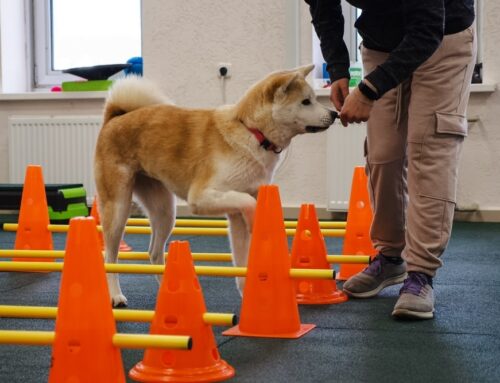
Absolutely. Activity limits don’t cancel out happiness. Many dogs thrive with low-impact enrichment that engages their brain and body without pushing past safe thresholds. Scent games and nose work are excellent for dogs who can’t run hard. Puzzle feeders, gentle training sessions, and controlled leash walks at your dog’s pace provide meaningful stimulation. For dogs who tolerate it and have been cleared by their veterinarian, swimming can be a cooler, lower-impact option.
Keeping a healthy body weight reduces strain on the heart, lungs, and joints, and it’s one of the most impactful things you can do for a dog with exercise limitations. Most importantly, teach everyone in the family to recognize early warning signs and end sessions before trouble starts, not after.
Our team helps tailor enrichment and conditioning so your pet stays engaged and comfortable for the long run.

Frequently Asked Questions
My dog collapsed once during fetch but seems fine now. Do I still need to come in? Yes, a single collapse episode is worth investigating. Some causes, like cardiac arrhythmias or early heart disease, may only show themselves during peak exertion. A normal-looking dog at rest can still have an underlying problem that needs attention.
Is exercise-related collapse more common in certain breeds? Some breeds face higher risk for specific causes. Labrador Retrievers and sporting breeds are prone to genetic EIC. Flat-faced breeds like Bulldogs and Pugs are vulnerable to respiratory-related collapse and heatstroke. Large and giant breeds have higher rates of certain heart conditions. But exercise-related collapse can happen in any breed, especially in heat.
How can I tell if my dog fainted or had a seizure? Fainting (syncope) usually involves a brief collapse with fast recovery and no confusion afterward. Seizures often include paddling, jaw chomping, loss of bladder control, and a period of disorientation after the event. Video of the episode is one of the most helpful things you can bring to your appointment.
Should I stop exercising my dog entirely after a collapse episode? Not necessarily. The answer depends on the cause. Some dogs need strict rest while we investigate. Others can continue moderate activity with modifications. We’ll help you figure out what’s safe while we work through the diagnosis.
When is exercise-related collapse an emergency? If your pet can’t stand, has labored breathing, shows blue or pale gums, has seizure-like activity, or doesn’t recover within a few minutes, that’s an emergency. Call us on the way in so we can prepare.
Your Partner for Safe, Active Pets
Exercise-related collapse is frightening, but with prompt evaluation and a clear plan, most pets can continue to enjoy activity safely within their capabilities. Omega Veterinary Group brings together critical care specialists and advanced diagnostics to identify causes and guide compassionate management, whether the issue is genetic, cardiac, metabolic, respiratory, or heat-related.
If your pet has experienced collapse or worrisome exercise intolerance, please contact us. We’re here 24/7, and we’ll be your partner in getting answers and keeping your pet safe.



Leave A Comment