

Parasite Emergencies: Knowing What’s Urgent And What’s Not
It’s the moment every pet owner dreads: you notice something is off with your pet. Maybe they’ve been scratching constantly, or perhaps they’ve had sudden digestive trouble. You instantly wonder, “Is this serious enough for an emergency vet visit, or can it wait until morning?” Parasites are a common issue, ranging from minor nuisances like fleas to serious, life-threatening conditions. We’re here to help you stop guessing. Learn the critical signs of pet anemia, heartworm disease, and intestinal blockages so you can take swift action when your pet’s health depends on it.
At Omega Veterinary Group, our emergency veterinarians and critical care specialists are available 24/7 to assess and stabilize pets experiencing severe parasitic reactions or complications. Whether your pet needs emergency hospitalization or same-day diagnostics, our integrated care team ensures rapid, compassionate intervention when every minute matters.
Understanding Parasite Emergencies
Severe Health Risks from Parasites
While most parasites cause discomfort and irritation, certain infestations can escalate into life-threatening emergencies. Fleas, ticks, intestinal worms, and heartworms can all trigger serious complications if left untreated. In many cases, symptoms progress slowly until a crisis point, making regular checkups and parasite prevention vital.
Anemia secondary to parasites: Heavy flea infestations or internal parasites like hookworms can cause significant blood loss. Pale gums, weakness, or collapse signal that the body can’t keep up with the loss. Puppies and kittens are especially vulnerable to this type of rapid decline because their smaller blood volume cannot tolerate even modest parasitic burdens. In severe cases, blood transfusion may be the only way to restore stability.
Severe infection or discomfort: Some parasites create open sores or trigger intense inflammation. Scratching, biting, or licking at affected areas can introduce bacteria, leading to systemic infection or abscess formation. Left untreated, secondary infections can spread through the bloodstream, complicating recovery and increasing hospitalization time. If your pet is so uncomfortable that they are severely traumatizing their own skin, it’s time to be seen.
Intestinal blockage: Certain parasites can grow or clump together within the digestive tract, leading to obstruction. Signs include persistent vomiting, abdominal distention, and refusal to eat or defecate. Worms may also irritate the intestinal lining, worsening dehydration and electrolyte imbalance. Obstructions can quickly turn fatal without prompt care.
Heart failure: One of the most dangerous parasite-related conditions is heartworm disease in pets. When worms mature in the heart and lungs, they obstruct blood flow, causing coughing, breathing difficulty, and eventual heart failure. Dogs often show signs of exercise intolerance, while cats may experience sudden respiratory distress. Without treatment, heartworm infections are often fatal, but early detection dramatically improves prognosis.
If your pet shows any of these symptoms, especially collapse, labored breathing, or vomiting that won’t stop, contact our emergency clinic immediately for evaluation and stabilization.
Recognizing Non-Emergency Parasite Issues
Manageable Parasite Situations
Not every parasite issue requires an emergency visit, though timely care remains important. While seeing something gross and startling like a live worm in your pet’s stool or vomit may feel like an emergency, it’s usually something that can wait for your regular vet. Understanding which situations are urgent versus manageable can help you respond confidently.
Tick removal: Finding a tick is never pleasant, but it rarely requires emergency care. You can safely remove it at home using tweezers, then clean the site and monitor for redness or swelling. Consistent tick prevention in pets helps avoid infestations and reduces disease transmission. However, if you notice fever, lethargy, or joint pain afterward, call your vet. These may signal tick-borne infection.
Fleas and ear mites: These external parasites cause itching, hair loss, and irritation. Some pets develop flea allergy dermatitis, where even one bite leads to severe inflammation. Treatment includes medicated shampoos, topical or oral preventives, and environmental cleaning to eliminate eggs and larvae. Persistent scratching, scabbing, or infection around the ears or tail base may require prescription-strength solutions. If your pet is severely itchy and uncomfortable, use an e-collar or cone to prevent self-trauma and visit your regular vet right away.
Worms in vomit or stool: Visible worms can be alarming but are usually treatable with deworming medications. Intestinal parasites in pets commonly cause diarrhea, bloating, or dull coats. Most cases resolve quickly once appropriate treatment begins. Regular fecal exams detect microscopic eggs before symptoms appear, helping maintain your pet’s health year-round.
If your pet continues to scratch, vomit, or seem unwell despite treatment, contact us for further evaluation and tailored prevention recommendations.
Preventive Measures for Parasites

Year-Round Parasite Prevention Strategies
The best way to avoid parasite emergencies is to stop infestations before they start. Prevention isn’t just seasonal, it’s a year-round commitment to your pet’s safety and comfort. Even indoor pets are at risk; fleas, mosquitoes, and intestinal eggs can hitchhike indoors on clothing or other animals.
Preventive medications: Regular dosing protects pets from multiple threats at once. The right products are based on your pet’s size, age, and lifestyle. Consistent use of year-round parasite prevention helps eliminate gaps in coverage that parasites can exploit. Missing even one or two doses can allow reinfestation or increase resistance risk.
Regular check-ups: Routine exams and fecal testing allow early detection of hidden infections. During each visit, your veterinarian can assess your pet’s weight, skin health, and heart function to ensure preventives remain effective. Combining physical assessments with lab work provides a clearer picture of parasite exposure and immune response.
Environmental control: Clean bedding, vacuum carpets, and wash outdoor items often. Reducing standing water and tall grass limits mosquito and tick populations, minimizing reinfection risks. In multi-pet homes, simultaneous parasite control ensures all animals remain protected.
Zoonotic Risks from Parasites
Diseases Transmissible to Humans
Some parasites can affect both pets and people, especially in households with children, seniors, or immunocompromised members. Awareness and hygiene are your best defenses.
Common zoonotic parasites: Intestinal worms, giardia, and skin fungi can all spread from animals to humans. Zoonotic diseases from cats like roundworm or toxoplasmosis highlight why litter box hygiene and regular veterinary screening are essential. Dogs can transmit hookworms, roundworms, or tapeworms if owners walk barefoot in contaminated areas.
Preventive measures: Simple routines, washing hands after pet handling, regular deworming, and cleaning yards or litter boxes, can dramatically reduce exposure. Following zoonotic parasite prevention guidelines protects both pets and families.
We also recommend discouraging pets from drinking from puddles or shared water bowls, which are common sources of giardia and other protozoa.
Treatment and Recovery from Parasite Issues
Addressing Parasite-Related Emergencies and Follow-Up
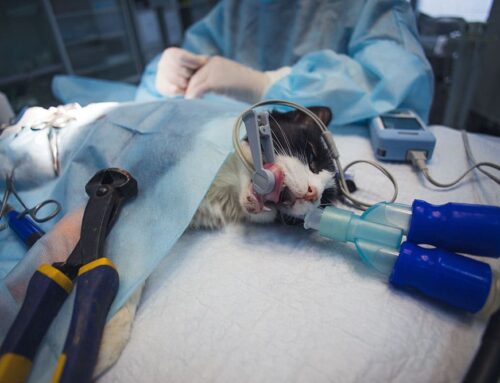
At Omega, parasite-related emergencies are treated with precision and care. Stabilization may involve intravenous fluids, oxygen therapy, and antiparasitic medications. For pets suffering from anemia, blood transfusions and supportive monitoring may be necessary. Diagnostic imaging helps rule out obstructions, while in-house lab testing allows for immediate identification of the parasite type.
In rare cases, surgical intervention is required for intestinal blockages or severe abscesses. Our 24/7 surgical and critical care teams coordinate each phase of treatment, from diagnosis to recovery, ensuring that pets receive the safest, most effective care possible.
We also prioritize client education after discharge, providing clear home instructions for follow-up care, medication timing, and prevention reinforcement.
The Importance of Vigilance and Prevention
Parasites may be common, but they don’t have to cause panic or emergencies. Knowing when to act fast and when to call for guidance can save time, money, and, most importantly, your pet’s life.
Maintaining year-round prevention, practicing good hygiene, and staying alert to early warning signs help stop small problems before they become critical.
At Omega Veterinary Group, we’re here 24/7 to help you make the right call, whether it’s an urgent visit or a preventive care plan. If your pet is showing unusual symptoms or discomfort, reach out to our team or contact us for advice. With expert care and consistent prevention, your pet can enjoy a comfortable, parasite-free life year-round.




Leave A Comment